In this blog:
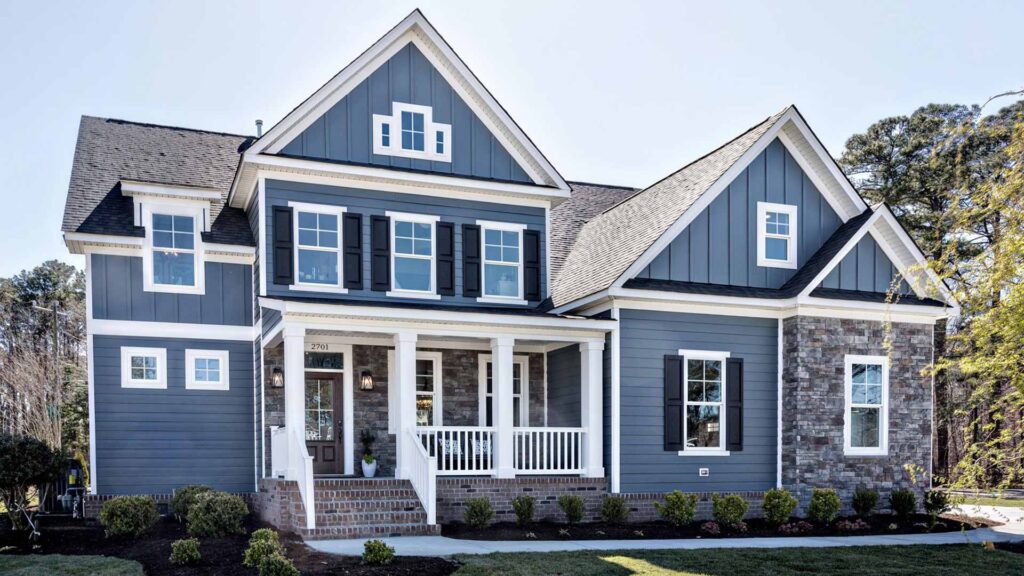
Compare popular siding materials and learn which options are best suited to Tampa, Florida’s unique climate.
- Learn why your siding’s ability to resist moisture, pest infestations and heat are particularly important in Tampa.
- Compare low-maintenance siding options like vinyl, composite and brick with higher-upkeep materials such as wood.
- Work with Window World of Tampa to choose siding that is the appropriate fit for your home.
Your siding is one of the biggest contributors to your Tampa home’s curb appeal. It’s only natural to want to choose a siding design that you’ll be able to enjoy for years. Still, rather than basing your choice on looks alone, you’ll also want to consider whether your chosen siding option is a good fit for a home in Florida. This requires looking a little deeper.
The good news is that modern vinyl, wood and composite sidings are all designed to last 20–50+ years. However, factors like Tampa’s hot, humid climate, rainfall and severe weather risks are all things to consider when making a siding choice. Let’s take a closer look at how different siding options compare.
Siding Materials at a Glance: Lifespan & Maintenance
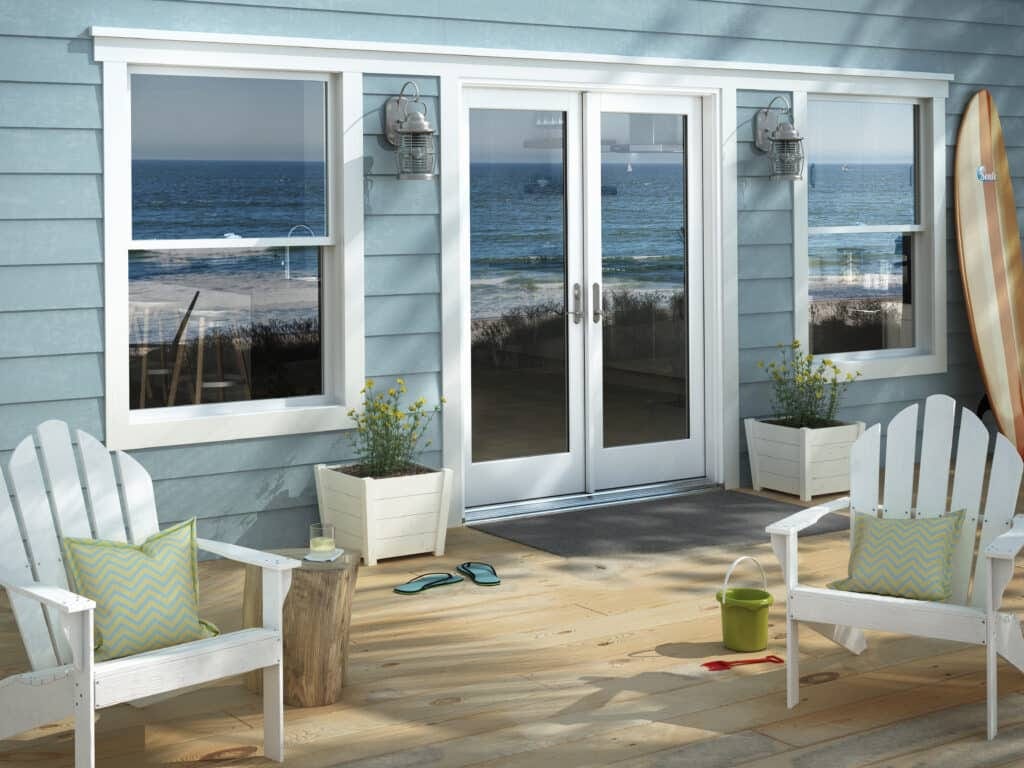
There are a lot of different siding materials out there, and each has its advantages. The table below gives a brief primer of some of the pros and cons of each siding type, and we’ll discuss these in more detail a little further down.
| Siding Material | Lifespan/Maintenance Level¹ |
| Vinyl | – 20–60+ years. – Low-maintenance with no repainting needed. |
| Composite | – Lifespan varies by material, but may last 30–50 years. – Maintenance varies by product. |
| Fiber Cement | – 50+ yrs – Medium-maintenance and may require periodic repainting. |
| Wood | – 20–40 years if properly maintained. – High-maintenance. – Requires repainting and resealing every 5–7 years. – High termite and rot risks. |
| Metal (steel/aluminum) | – 20–40 years. – Low-maintenance, but may dent or fade. |
| Stucco | – 50+ years – Medium-maintenance – Needs periodic cleaning and repairs. |
| Brick & Brick Veneer | – Lifetime (75–100+ years). – Low-maintenance. – May require periodic cleaning and mortar replacement. |
| Stone & Stone Veneer | – Lifetime (75–100+ years) – Quality can vary depending on the product. – May require periodic single-stone replacement. |
¹ Sources: International Association of Certified Home Inspectors (InterNACHI), This Old House
Composite Siding: Tampa’s Low-Maintenance Standard
Given Tampa’s hot, humid climate, it’s impossible to understate the importance of having a siding product that can withstand nature and keep your home well-insulated. Modern composite siding is engineered for strength, and many designs contain features that make them especially appealing to Florida homeowners.
Composite sidings are typically non-porous, which makes them very resilient against humidity and heavy rains. That means less risk of mold growth and discoloration over the life of your product. Many siding products are also UV-stabilized, meaning they won’t warp, fade or crack despite years of sun exposure. In fact, composites are generally very low-maintenance overall, requiring only periodic cleanings and maintenance.
Vinyl, Wood, Metal, Stucco, Brick, Fiber Cement and Stone Veneer Siding: The Pros and Cons of Each
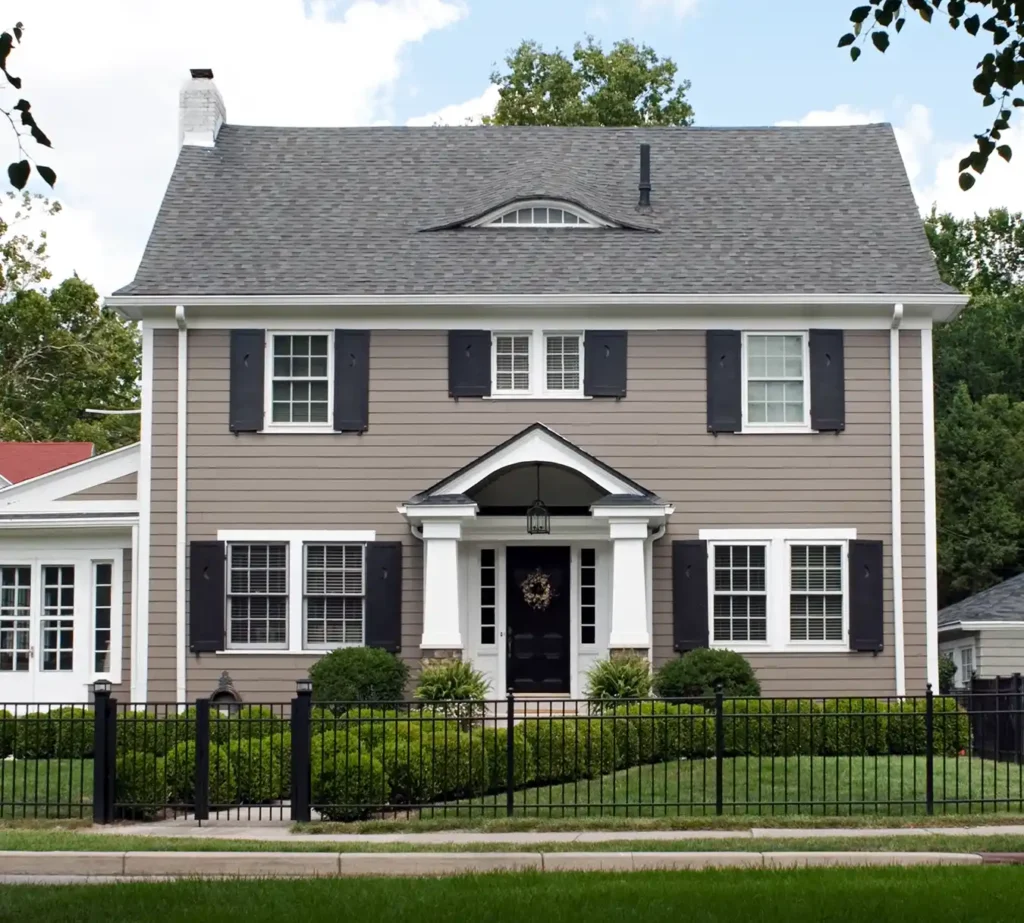
Other replacement siding options are wide and varied, and each may have pros and cons that make it more or less appealing in the South.
- Vinyl siding: Like composites, vinyl siding is a very tough, water-resistant design option that can last for many years. It will provide good insulation against Florida’s humidity, as well.
- Fiber cement siding: Fiber cement is made from a variety of materials like sand, cellulose and, of course, cement. It’s very hard, durable and weather resistant, especially when compared to wood. However, some designs have a tendency to fade and may require periodic repainting.
- Wood siding: Although wood siding gives your home a traditional, rustic look, it requires the most maintenance of virtually any product. Unless it is regularly sealed, painted and maintained, wood siding can rot, degrade and begin to warp. It is also susceptible to termite and other bug infestations, which can threaten your home’s sanitation and structural integrity.
- Metal siding: Metal siding is quite durable, but it may not be able to insulate your home on its own. This could lead to higher utility costs, especially during the summer months. Despite its durability, metal siding might also fade, warp or dent under the right circumstances. You therefore might need to make repairs more frequently than you’d like.
- Stucco siding: Stucco siding is made from a mixture of sand, cement, lime and water, and it can give your home a tropical, coastal feel that exudes light and warmth. The challenge is that it has a tendency to crack over time, even though it has a long lifespan overall. You’ll need to inspect your home for cracks or damage to the stucco and make appropriate repairs. Otherwise, you risk moisture intrusion.
- Brick siding: Both traditional brick and brick veneer sidings are very durable and will probably last for the lifetime of your home. They’re also easy to clean, and may only require an annual power-washing. Periodic challenges may arise if cracks develop in the mortar or backing, or if the occasional brick comes loose.
- Stone veneer siding: Like brick, stone and stone veneer siding are incredibly strong. However, all stone siding products vary, and their qualities may differ. While maintenance needs are usually very low, homeowners should consider investing in a higher-quality product if they want to worry less about upkeep.
Choosing The Right Siding for Tampa Homes
As you begin your search for the right siding for your Tampa home, you’ll have a number of things to consider. Asking the right questions can help you settle on the choice that offers the best weather protection, energy-efficiency benefits and durability for Florida homes. Here are a few to keep in mind:
- What is the siding’s wind resistance? Tampa and surrounding communities can experience hurricanes, tropical storms and other severe weather. Siding that has strong wind resistance will better protect your home when severe weather moves in.
- Is the siding pest-resistant? Termites and other pests can be year-round problems in Florida, making pest resistance another important factor to consider.
- How does the siding resist moisture? Tampa’s humid climate and frequent heavy rainfall make moisture resistance particularly important. Some sidings are very airtight and can better repel humidity. In other cases, an installer will need to place a weather barrier under the siding, which might add to your costs.
- What’s the siding’s insulation quality? You’ll want to go with a product that reduces heat transfer to ensure your home stays cool and comfortable during hot Florida summers.
- What is the siding’s fire resistance? Some siding products offer more fire resistance than others. Certain materials, such as wood, may have to be treated with special fire retardants to make them safer.
Of course, you’ll also want to check any community, subdivision or HOA building codes to see if these include any siding regulations. If your choice is limited by codes, work with a professional siding provider to compare your options and select a product that suits your needs.
Siding Moisture, Climate, Pest & Fire Resistance at a Glance
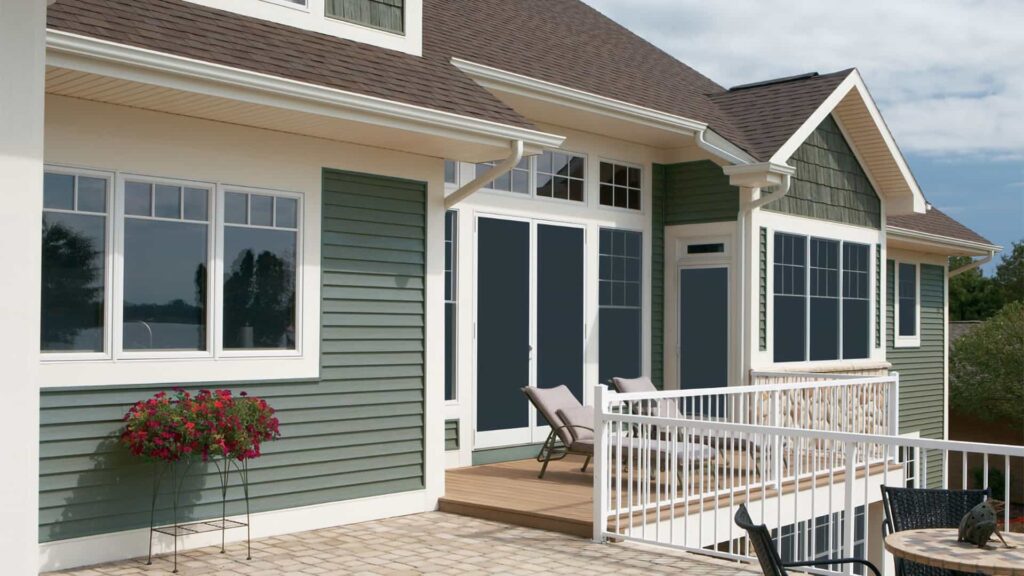
The safety and performance features of each siding type are numerous. To make it easier to compare your options, we’ve compiled the table below.
| Siding Material | Humidity, Termite or Fire Resistance |
| Vinyl | – Non-porous and resists moisture and mold. – Not a termite food source. – Fire resistance varies. – Typically does not catch or spread fire easily. |
| Composite | – Not a termite food source. – May require periodic maintenance to keep moisture out. – Fire resistance varies depending on the materials used. |
| Fiber Cement | – Resists moisture and pests. – Generally very high fire resistance. |
| Wood | – Very vulnerable to termites and pests. – Very vulnerable to moisture and requires regular maintenance. – Must be chemically treated to achieve better fire resistance. |
| Metal | – Not a termite food source. – Untreated or damaged surfaces may rust in humidity. – Strong fire protection in most cases. |
| Stucco | – Durable masonry creates strong fire resistance. – Resistant to termites unless cracks expose the home’s skeleton. – Cracks can trap moisture if not sealed. |
| Brick/Stone Veneer | – Not a termite food source. – Highly tolerant of moisture – Cracks in masonry may develop. – Durable against fire. |
Why Choose Window World of Tampa for Siding?
If you’re looking for siding in the Tampa area, Window World should be on your shortlist. Our ASCEND® composite siding offers performance benefits like low water absorption, insect resistance and energy-efficient construction that can help:
- Maintain interior comfort by keeping uncomfortable drafts outside.
- Protect your home’s interior against severe weather, pest infestation and other outdoor hazards.
- Improve insulation and balance interior temperatures, reducing strain on your HVAC systems and saving energy waste.
Window World’s siding also comes in a wide range of rich, vibrant color and style options that provide stunning curb appeal and make your home the envy of the neighborhood. Customers can also enjoy professional installation services and best-in-class siding warranties that ensure your product functions optimally from day one and stays protected long-term.
Start Your Search For Siding On The Right Foot
Understanding the types of siding available for your home is just the beginning of selecting the product that’s right for your Tampa-area home. As a trusted name in Tampa’s home improvement market for more than 20 years, Window World has the expertise every homeowner deserves in a home improvement partner. Let us help you find a siding solution that provides reliable protection and stunning curb appeal for years to come.
Book your free in-home consultation to learn more about our replacement siding options today.
Frequently Asked Questions
What type of siding is best for hurricane-prone areas?
Certain sidings have better wind resistance than others, which may make them more appropriate in states that face significant hurricane risks. Tampa and surrounding communities can experience hurricanes and other severe weather, making wind resistance an important factor when comparing siding. You’ll also want to weigh wind resistance alongside factors like moisture and termite resistance, which can affect siding performance over time in Tampa’s climate.
Which siding material needs the least maintenance in Tampa’s climate?
Tampa experiences hot, very humid conditions for long stretches of the year, along with frequent rainfall during the summer. Certain siding, especially wood, may be extremely susceptible to rot, mold and damage in these conditions. Other siding, such as composite, is much more weather-strong and provides exceptional insulation to keep your home comfortable.